Porcelain Veneers Explained: Benefits, Process, Lifespan & Costs
Porcelain veneers are a popular cosmetic option because they can change the appearance of a smile in a planned, structured way. Still, they’re not a universal solution, and they’re not suitable for every mouth. If you’re researching porcelain veneers in Cairns, it helps to understand what veneers are, what they can address, what the process involves, how long they may last and what influences costs.
This guide is general information only. A dentist needs to assess your teeth, gums and bite to confirm suitability and discuss risks, limitations and maintenance.
What Porcelain Veneers Are and Who They Suit
Porcelain veneers are thin, custom-made ceramic shells bonded to the front surface of teeth to improve aesthetics. They’re typically placed on the teeth most visible when you smile, commonly the upper front teeth and sometimes adjacent teeth depending on your smile line.
Veneers may suit people who want to improve colour, shape, small chips, uneven edges, minor spacing, or overall symmetry. They can also be considered when whitening won’t achieve the desired change, such as with intrinsic staining or when old restorations won’t match a whitened shade. Veneers are usually planned conservatively, but underlying issues like active gum disease, untreated decay, heavy grinding, or significant bite problems may need attention first.
What Problems Can Porcelain Veneers Fix?
Veneers mainly address appearance, but in some cases they can also provide a protective surface for worn edges when planned appropriately. They’re best for visible cosmetic changes rather than correcting deeper structural or functional problems.
Common concerns veneers can help improve include discolouration that doesn’t respond well to whitening, small chips or worn edges, minor gaps, uneven tooth length, small shape irregularities and surface defects. Veneers are not typically used as a standalone solution for major alignment issues or unstable bite problems. In those situations, orthodontics or other restorative planning may be recommended first to support a stable result.
Are Veneers Permanent? What “Irreversible” Really Means
People often describe veneers as permanent, but it’s more accurate to say they’re a long-term treatment and the decision is usually considered irreversible. That’s because veneers often require some tooth preparation, which may involve removing a small amount of enamel so the veneer fits naturally and avoids a bulky look.
Preparation varies case by case. Some plans involve minimal reduction, but once enamel is removed it can’t be replaced. Veneers may also need replacement in the future due to wear, chipping, changes at the gumline, or other factors over time. A good consultation should explain how much preparation is expected for you, what alternatives exist, and the longer-term maintenance considerations.
The Step-by-Step Process From Consult to Final Placement
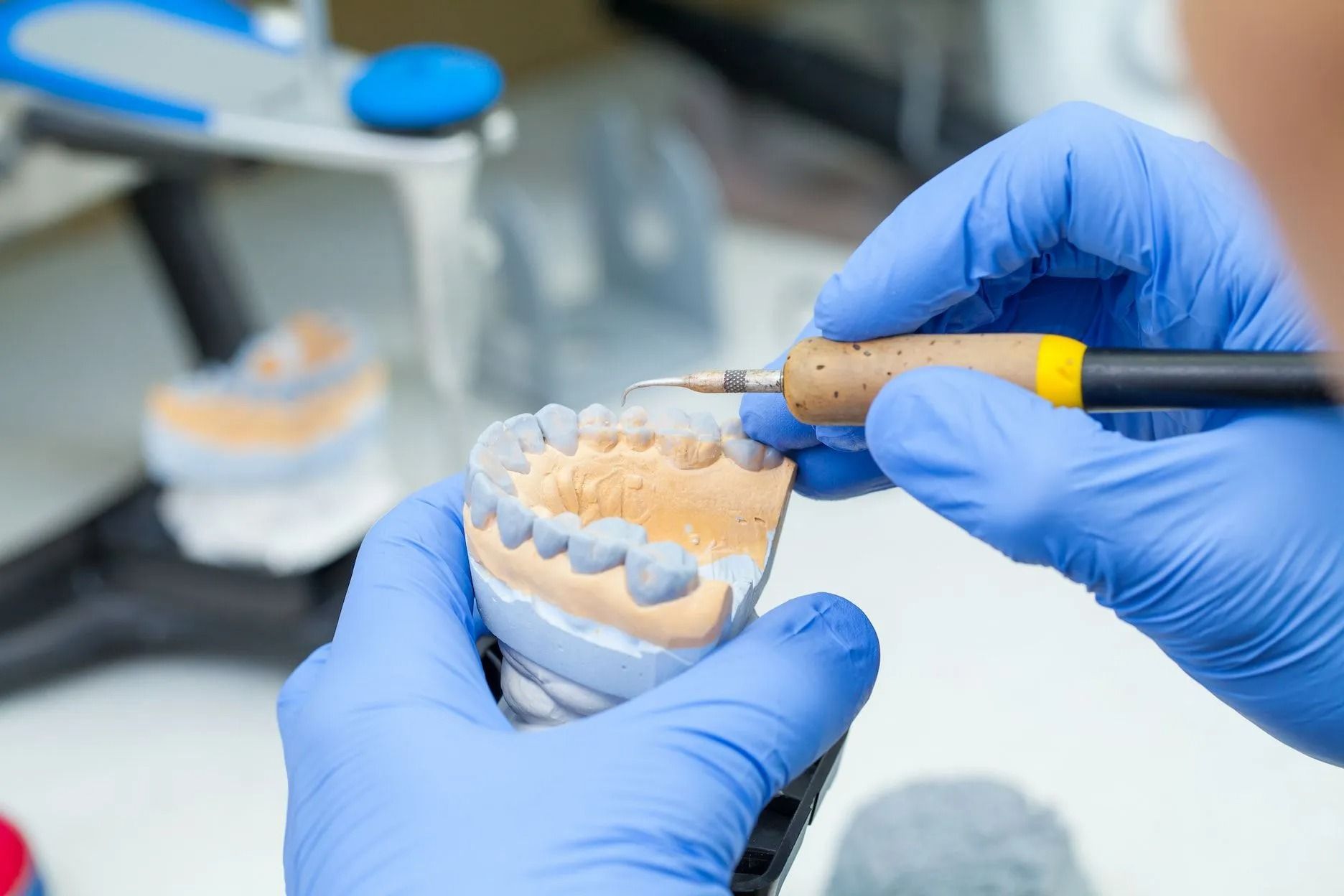
Most veneer cases involve multiple appointments. The first stage is assessment and planning. Your dentist will examine teeth and gums, discuss your goals, check bite and enamel condition and take records such as photos and digital scans or impressions to support design.
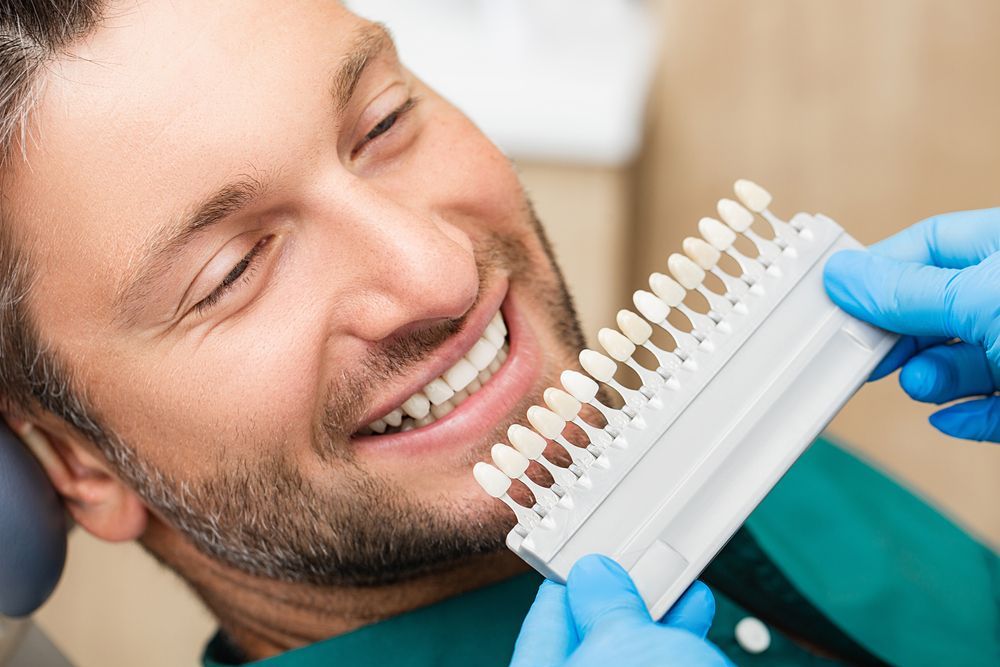
Next is tooth preparation (if required). The teeth are shaped conservatively, then temporary veneers may be placed while the lab-made porcelain veneers are created. The final appointment involves trying the veneers in, checking fit, shape and shade, then bonding them using dental adhesive protocols. Bite contacts are checked and minor adjustments are made if needed. For patients exploring veneers in Cairns, the “planning and trial” stages are often the most reassuring because they clarify what’s being changed before final bonding.
How Long Do Porcelain Veneers Last and What Affects Lifespan?
Porcelain veneers can last many years, but lifespan varies. Longevity depends on factors like bite forces, bonding quality, enamel support, oral hygiene and habits. There isn’t a single number that applies to everyone, which is why dentists focus on risk factors and maintenance planning.
Common factors that affect veneer lifespan include clenching or grinding, biting hard objects, gum health and recession, inconsistent cleaning, and how the veneers are designed in relation to your bite. If there are signs of grinding, your dentist may discuss whether a night guard is appropriate to reduce stress on the veneers and natural teeth.
Maintenance and Aftercare: Keeping Veneers Looking Natural
Veneers don’t require special products, but they do require good habits. Daily brushing and flossing, especially around the gumline, helps protect the margins and surrounding teeth. Regular professional cleans and check-ups support gum health, which plays a major role in how natural veneers continue to look.
Porcelain is generally more stain-resistant than natural enamel, but the edges where veneer meets tooth and your other teeth can still discolour over time. It’s also important to avoid habits that can chip ceramic, like chewing ice or using teeth as tools. If something feels high, rough, or different after placement, it’s worth having it checked rather than waiting.
Veneer Costs in Cairns: What Influences the Price
Costs vary because veneer plans vary. The total cost is influenced by how many teeth are treated, case complexity, lab and material choices, the amount of planning involved and whether other dental work is needed first.
For example, some patients need gum health stabilised before cosmetic work. Others need old restorations replaced to match a new shade. Temporary veneers, digital planning, and the type of ceramic used can also influence pricing. If you’re comparing porcelain veneers in Cairns, ask for a written quote with clear inclusions, the expected number of visits, and what could change if the plan needs to be adjusted after assessment.
Porcelain Veneers vs Composite Bonding: Which Makes Sense for You?
Both porcelain veneers and composite bonding can improve a smile, but they differ in process and long-term behaviour. Composite bonding uses tooth-coloured resin applied directly to the tooth and shaped by the dentist. Porcelain veneers are lab-made ceramic shells bonded to the tooth surface.
Composite can be a good option for smaller shape changes or edge repairs and can be adjusted or repaired in some cases. It may stain or wear differently over time depending on habits and the material used. Porcelain veneers often offer strong aesthetics and stain resistance, but involve a more structured process and are typically treated as a long-term option that may require replacement down the track. The right choice depends on your goals, tooth structure, bite and how much change you’re aiming for.
Book a Veneers Consultation in Cairns
We at Cairns Precision Dental Group help patients understand their options and suitability before committing to cosmetic treatment, so if you’re considering porcelain veneers in Cairns or researching veneers in Cairns, contact us to book a consultation and talk through your goals, the process and what a realistic plan looks like for your smile.