Are Veneers Permanent? What Happens To Your Natural Teeth In Cairns
Veneers are often described as permanent, but that word covers two very different realities depending on the material and technique used. Some veneers require removing a thin layer of enamel that never grows back. Others sit over the tooth with minimal or no alteration at all. If you're exploring veneers in Cairns, understanding what happens to your natural teeth beforehand will help you feel confident in your decision.
What "Permanent" Really Means When It Comes to Veneers
In dentistry, "permanent" usually refers to the fact that once enamel is removed to fit a veneer, it doesn't regenerate. That's different from saying the veneer itself lasts forever. Veneers are a long-term cosmetic solution, not a one-time fix that never needs attention again.
Porcelain veneers, for instance, typically last well beyond a decade with good care, but they still need eventual replacement as they wear or as bonding weakens. Composite veneers have a shorter lifespan, often needing touch-ups or replacement sooner. The "permanent" part of the conversation isn't really about the veneer at all. It's about what happens to the tooth structure underneath it, and whether that change can be undone.
This distinction matters most to patients who are hesitant about committing to something irreversible. Knowing exactly where the line sits between reversible and non-reversible helps you make a decision you won't second-guess later.
Porcelain vs Composite: How Much Natural Tooth Is Removed
The amount of enamel removed depends almost entirely on which material your dentist uses. The amount of tooth preparation involved often comes down to material — read our full guide on porcelain vs composite veneers to see how they compare.
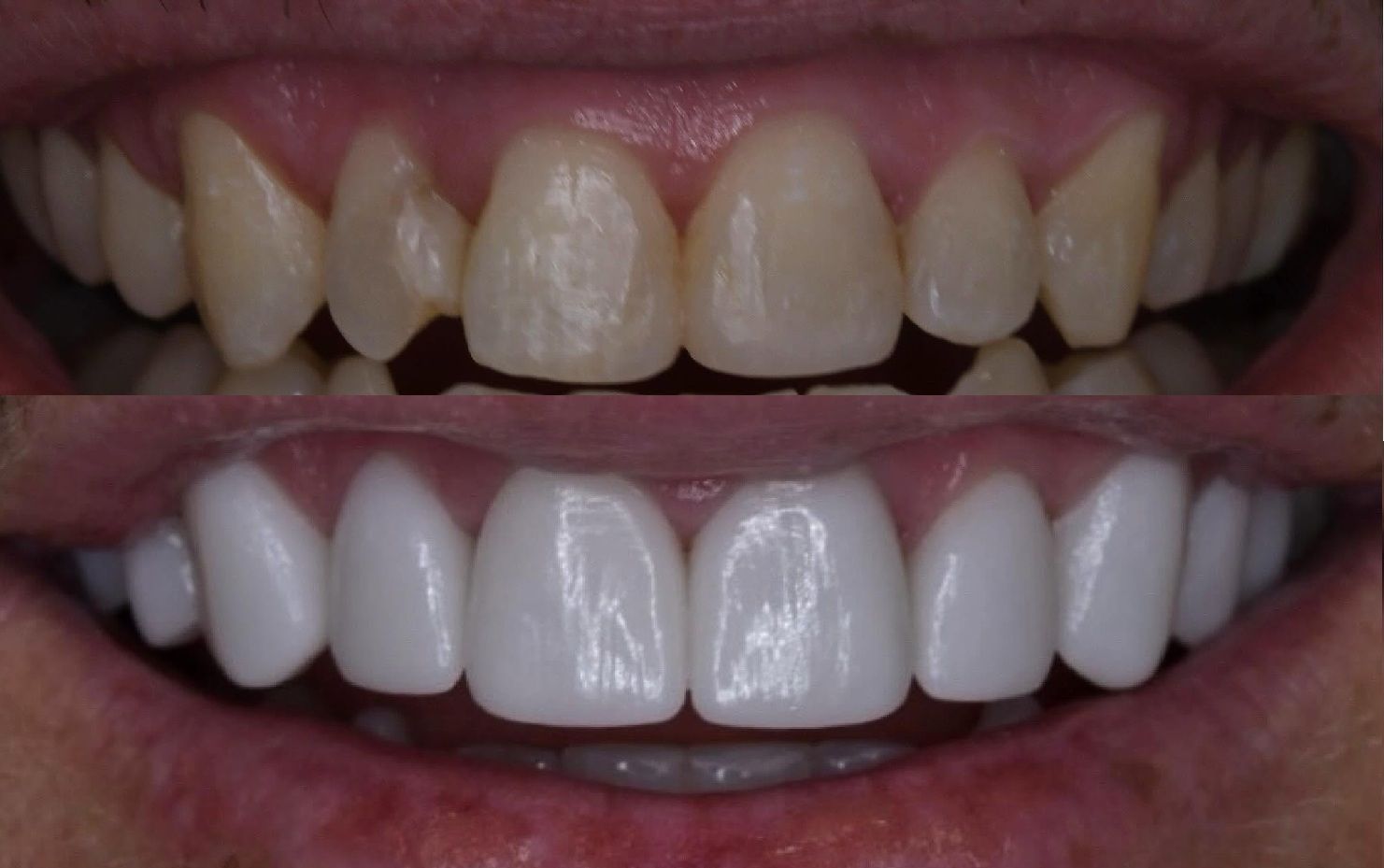
Porcelain veneers generally require a small amount of enamel to be filed away from the front surface of the tooth, usually somewhere between 0.3mm and 0.7mm. This creates room for the porcelain shell to sit flush against the tooth without looking bulky or overbuilt. It's a precise, controlled process, but once that enamel is gone, the tooth will always need some form of covering to protect it going forward.
Composite veneers, on the other hand, are built up directly on the tooth surface using a tooth-coloured resin. In many cases, little to no enamel removal is needed at all. This makes composite a genuinely more conservative option for patients who want a cosmetic upgrade without giving up much natural tooth structure.
Neither approach is universally "better" — it depends on your goals, the condition of your existing teeth, and how much change you're comfortable with. A cosmetic dentist will usually walk you through both options before recommending one over the other, since the right fit varies from patient to patient.
What Happens to Your Teeth Underneath the Veneer
Once a veneer is placed, the tooth underneath doesn't just disappear from the equation. It still needs to be cared for the same way any natural tooth does, and in some ways it needs even more attention.
With porcelain veneers, the prepared tooth is more vulnerable at the margins where the veneer meets the gum line. This is where decay is most likely to develop if oral hygiene slips, since bacteria can work their way in along that edge. Regular brushing, flossing, and dental check-ups remain essential, not optional, once veneers are in place.
Composite veneers behave a little differently. Because less (or no) enamel is typically removed, the tooth underneath is closer to its natural state. However, composite resin can stain, chip, or wear unevenly over time, particularly with habits like teeth grinding, red wine, or smoking. Underlying tooth structure stays healthier, but the veneer itself may need more frequent maintenance.
In both cases, the tooth still relies on saliva, enamel (where it remains) and gum health to stay strong. A veneer changes the surface appearance and, with porcelain, alters the tooth permanently. It doesn't replace the need for ongoing dental care.
Can Veneers Be Reversed or Removed Later?
This is the question most patients are really asking when they say "are veneers permanent?". The honest answer depends on the material.
Porcelain veneers are not reversible. Because enamel has been removed to accommodate them, the tooth can no longer return to its original, untouched state. If a porcelain veneer is removed or needs replacing, another veneer (or a different restoration such as a crown) will generally be needed to protect the exposed tooth. This is the trade-off patients need to weigh most carefully before committing.
Composite veneers in Cairns typically require little to no enamel removal, making them a more reversible option for some patients. Because the resin is bonded onto the tooth surface rather than replacing removed enamel, composite veneers can often be removed or reshaped without the same lasting impact. This makes composite a sensible starting point for patients who want to trial a new smile before committing to something more permanent.
That said, "reversible" doesn't mean "risk-free". Bonding composite still involves a mild etching process to help the resin adhere, and removal can leave the tooth surface needing polishing or minor adjustment. It's a smaller commitment than porcelain, not a completely neutral one.
Making an Informed, Long-Term Decision
Choosing between porcelain and composite — or deciding whether veneers are right for you at all - comes down to a few honest questions: How permanent are you prepared for the change to be? Are you chasing a quick cosmetic fix or a long-term solution? Do you grind your teeth, drink a lot of coffee or red wine, or smoke — habits that affect how each material holds up? Is the current condition of your teeth (chips, gaps, discolouration) better suited to a conservative or more comprehensive approach?
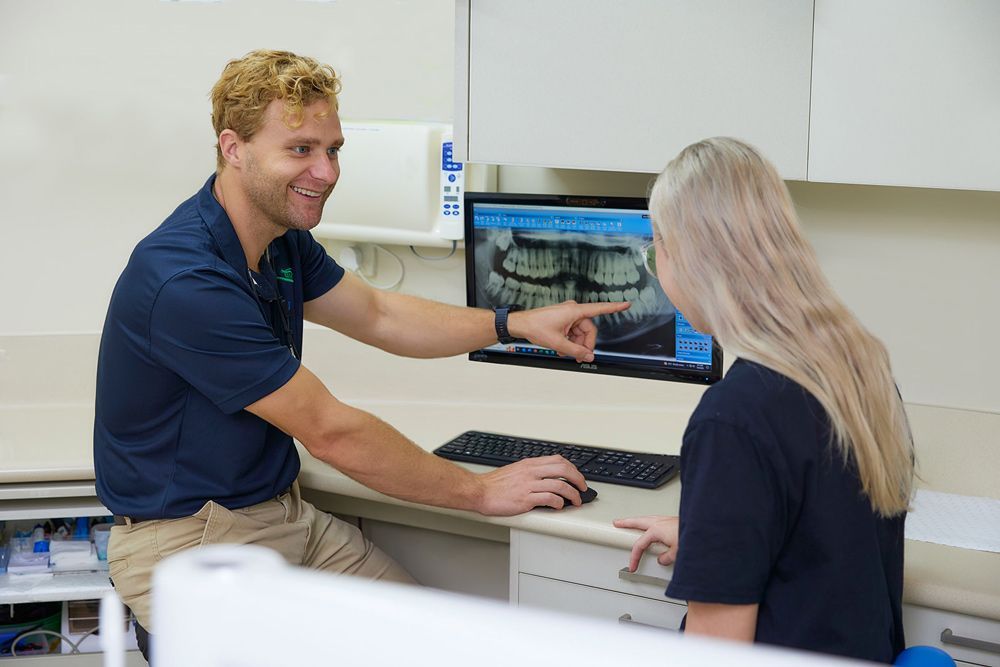
According to industry best practice, most cosmetic dentists will recommend starting with a full consultation and, where appropriate, a mock-up or trial smile before any enamel is touched. This gives you a realistic preview of the outcome without locking in an irreversible decision on the spot.
There's no universally "right" choice here. Some patients are comfortable with the permanence of porcelain because the results are more durable and stain-resistant. Others prefer the lower-commitment nature of composite, even knowing it may need more upkeep. What matters most is that the decision is made with a full understanding of what's reversible and what isn't.
Considering Veneers in Cairns? Talk to Our Team
Deciding between porcelain and composite veneers — or whether veneers are the right choice for you at all is easier with a proper assessment of your teeth, habits, and goals. A conversation with a cosmetic dentist in Cairns is the best way to understand which veneer type suits your long-term goals.
If you're weighing up your options, the Cairns Precision Dental Group team can talk you through what each material involves for your specific teeth, so you can make a decision you'll still be happy with in ten years' time.
Frequently Asked Questions
Do veneers ruin your natural teeth?
Veneers don't "ruin" teeth, but porcelain veneers do involve permanent removal of a small amount of enamel. This is a controlled, precise process rather than damage, though it does mean the tooth will always need some form of covering afterwards.
Can you go back to normal teeth after veneers?
With porcelain veneers, no — once enamel is removed it doesn't grow back. With composite veneers, it's often possible to remove them and return closer to your natural tooth surface, since little to no enamel is typically removed in the first place.
How long do veneers actually last?
Porcelain veneers commonly last well over a decade with good care, while composite veneers generally need replacement or touch-ups sooner, often within a few years, depending on habits like grinding or staining.
Are composite veneers a good trial option before porcelain?
Yes, many patients choose composite first because it's a lower-commitment way to test a new smile before deciding whether to move to a more permanent porcelain option.
Do veneers need special care compared to natural teeth?
Yes. Veneers still rely on healthy gums and diligent brushing and flossing, particularly around the margins where a porcelain veneer meets the natural tooth, since this area can be more prone to decay if oral hygiene lapses.
Is it painful to have veneers fitted?
Preparing teeth for porcelain veneers usually involves local anaesthetic, so the process itself isn't painful, though some sensitivity is common in the days afterwards. Composite veneers generally involve less discomfort given the more conservative approach to the tooth surface.